
Traditional Abhyangam therapy being performed with warm herbal oils
Historical and Cultural Significance of Abhyangam
Abhyangam’s roots stretch back over 5,000 years to ancient India, where it was first described in classical Ayurvedic texts like the Charaka Samhita and Sushruta Samhita. These foundational works of Ayurvedic medicine detail Abhyangam as an essential daily ritual (dinacharya) for maintaining optimal health and preventing disease.
In traditional Ayurvedic philosophy, the human body is viewed as an inverted tree, with the head representing the roots. Just as a tree’s health depends on its roots, our overall wellness relies on proper care of the head and body. Abhyangam was developed as a systematic approach to nurture these “roots” and maintain balance throughout the entire system.
Ancient Ayurvedic physicians recognized that regular oil massage could strengthen the body’s tissues (dhatus), balance the doshas (biological energies), and enhance the flow of prana (life force). They prescribed specific oils and techniques based on individual constitution, season, and health conditions.
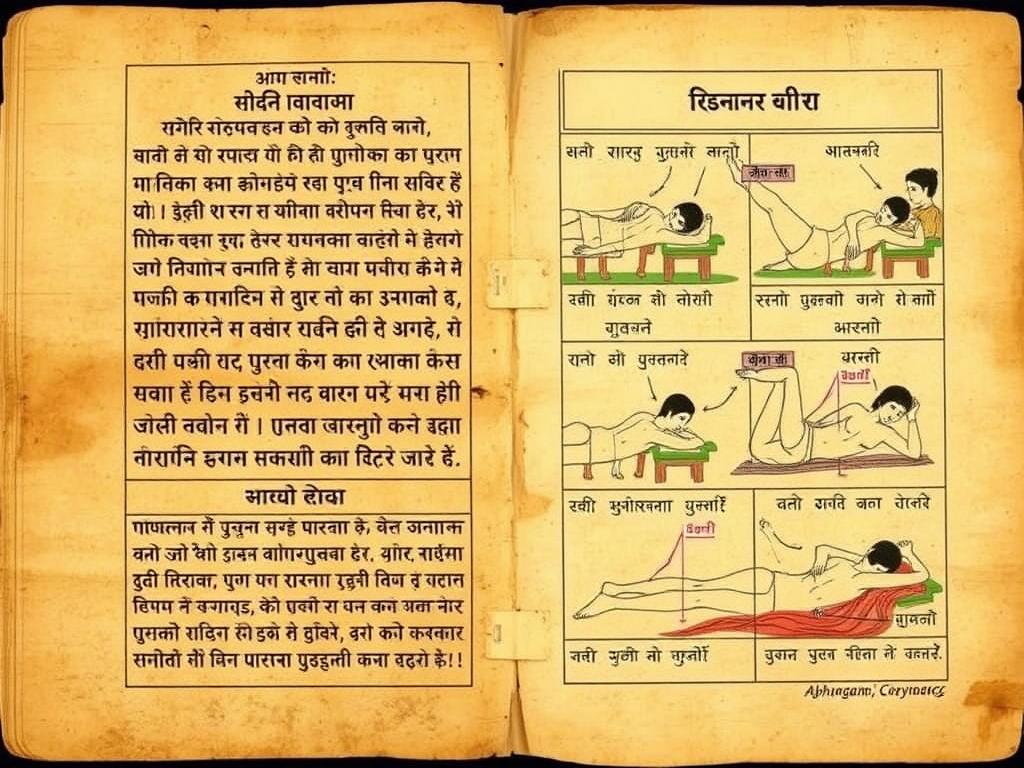
Ancient Ayurvedic manuscripts describing Abhyangam techniques
Beyond its physical benefits, Abhyangam holds deep cultural significance in India. It’s traditionally performed as part of pre-wedding rituals, post-childbirth care, and seasonal health maintenance. The practice symbolizes love, care, and the transmission of healing energy through touch—a universal language that transcends cultural boundaries.
The Abhyangam Procedure: A Step-by-Step Guide
The traditional Abhyangam treatment follows a precise sequence designed to maximize therapeutic benefits. While variations exist across different Ayurvedic lineages, the core procedure remains consistent. Here’s how a professional Abhyangam session typically unfolds:
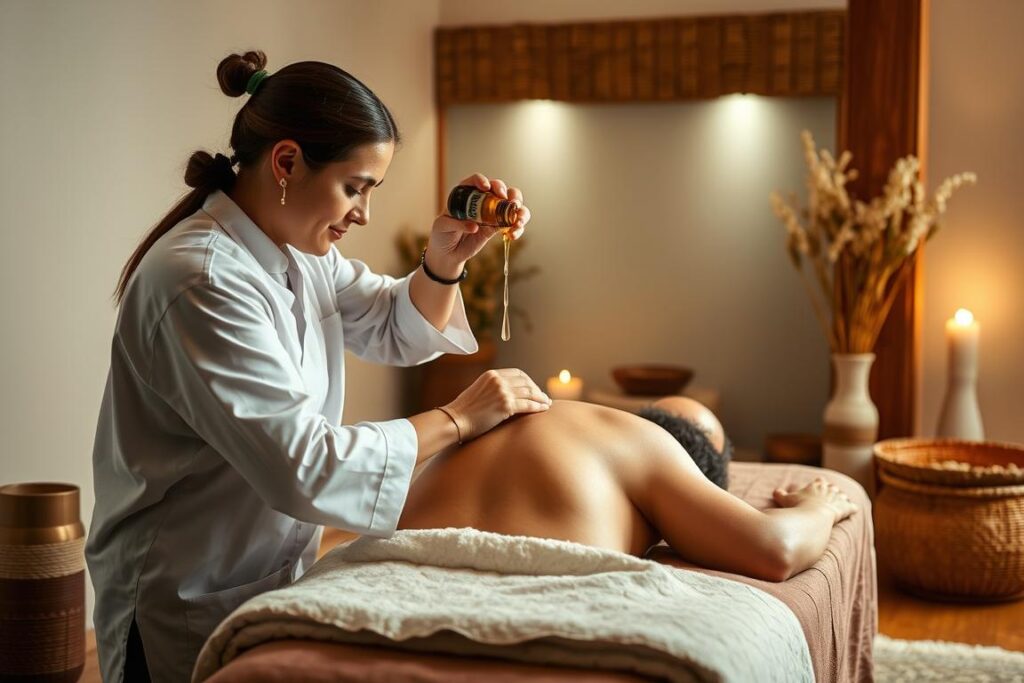
Professional Abhyangam treatment follows a systematic approach
- Preparation: The therapist warms the appropriate herbal oil to a comfortable temperature. The treatment room is kept warm and free from drafts to prevent cooling during the massage.
- Head Massage (Shiro Abhyanga): The session begins with gentle application of oil to the head and scalp, using circular motions to stimulate marma points (vital energy centers).
- Face and Neck: The therapist then moves to the face, using delicate strokes around the eyes, temples, and jaw to release tension, followed by the neck and shoulders.
- Upper Body: Oil is applied to the chest, back, and arms using long, sweeping strokes along muscle fibers, with special attention to joints.
- Abdomen: The abdomen receives gentle clockwise circular massage to support digestive function.
- Lower Body: The therapist continues to the legs and feet, using firm pressure to ground energy downward.
- Marma Point Stimulation: Throughout the massage, specific pressure points are stimulated to balance energy flow.
- Rest Period: After the massage, the recipient rests for 10-15 minutes, allowing the oils to penetrate deeply.
- Warm Bath: The session concludes with a warm bath or shower to remove excess oil while preserving the oil’s therapeutic effects that have been absorbed.
For a full-body Abhyangam, the treatment typically lasts 45-60 minutes. In traditional Ayurvedic settings, Abhyangam is often followed by other therapies such as steam treatment (swedana) or herbal powder massage (udvartana) for enhanced benefits.
Therapeutic Oils Used in Abhyangam
The selection of oil is crucial in Abhyangam, as different oils carry unique therapeutic properties. In Ayurveda, oils are chosen based on an individual’s dosha (constitutional type), current imbalances, season, and specific health concerns.

Traditional oils used in Abhyangam based on dosha types
Oils Based on Dosha Types
Vata Dosha
People with Vata constitution (dry, light, cold qualities) benefit from warm, heavy, nourishing oils that counteract dryness and promote grounding.
- Sesame Oil: The gold standard for Vata types, offering warming, penetrating properties
- Almond Oil: Deeply nourishing and moisturizing for dry skin
- Castor Oil: Heavy oil that provides exceptional grounding
- Essential Oils: Jasmine, lavender, sandalwood, cinnamon
Pitta Dosha
Those with Pitta constitution (hot, sharp, intense qualities) require cooling, soothing oils that pacify inflammation and heat.
- Coconut Oil: Cooling and calming for sensitive skin
- Sunflower Oil: Light and cooling for Pitta’s natural heat
- Olive Oil: Moderately cooling with nourishing properties
- Essential Oils: Peppermint, chamomile, sandalwood, rose
Kapha Dosha
Kapha types (heavy, oily, cold qualities) benefit from lighter, warming, stimulating oils that counteract sluggishness.
- Safflower Oil: Light and warming to stimulate circulation
- Mustard Oil: Heating and invigorating for Kapha’s coldness
- Sunflower Oil: Light quality helps balance Kapha’s heaviness
- Essential Oils: Cinnamon, eucalyptus, basil, sage
Medicated Herbal Oils (Tailams)
Beyond basic carrier oils, Ayurveda utilizes specially prepared medicated oils infused with powerful herbs. These tailams are created through a meticulous process where herbs are cooked with base oils to extract their therapeutic properties:
- Mahanarayana Tailam: A complex formulation of over 30 herbs, excellent for joint and muscle pain
- Dhanwantaram Tailam: Strengthens muscles and nerves, supports reproductive health
- Ksheerabala Tailam: Nourishing oil that rejuvenates the nervous system
- Brahmi Tailam: Cooling oil that promotes mental clarity and healthy hair
“The oil used in Abhyangam is not merely a lubricant but a sophisticated vehicle for delivering healing herbs and energies to the deepest tissues of the body.”
Health Benefits of Abhyangam
The regular practice of Abhyangam offers a remarkable array of benefits that extend far beyond simple relaxation. Modern research is beginning to validate what Ayurvedic practitioners have known for millennia—that therapeutic oil massage profoundly impacts our physical, mental, and emotional wellbeing.
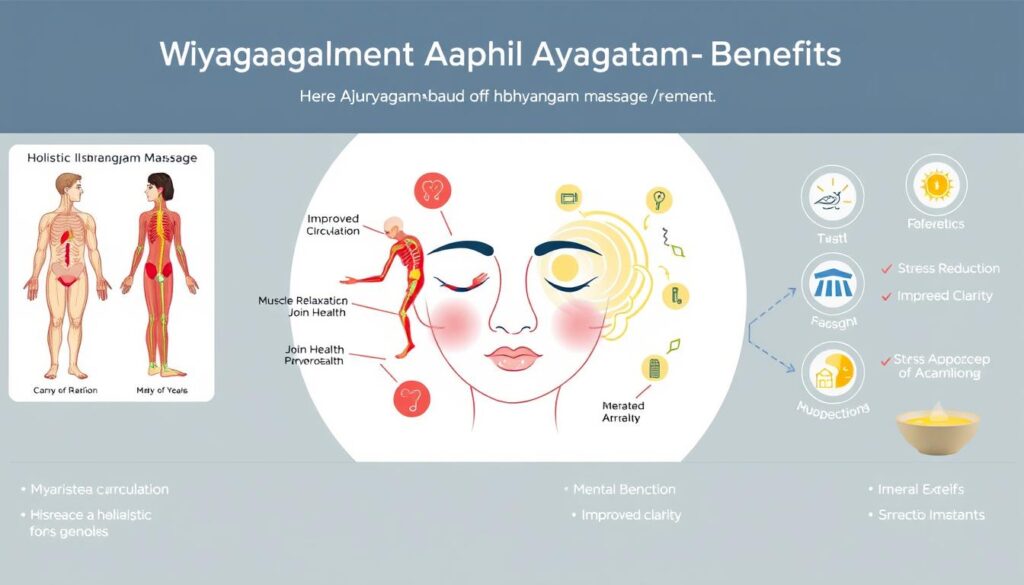
The holistic benefits of Abhyangam extend to body, mind, and spirit
Physical Benefits
- Improved Circulation: The massage strokes enhance blood flow, delivering oxygen and nutrients to tissues while removing metabolic waste.
- Enhanced Lymphatic Drainage: Abhyangam stimulates the lymphatic system, supporting immune function and reducing swelling.
- Reduced Muscle Tension: The warm oil and specific techniques help release chronic muscle tightness and knots.
- Joint Mobility: Regular practice improves flexibility and range of motion in joints.
- Skin Health: The oils nourish and moisturize the skin, improving texture, tone, and appearance.
- Detoxification: Abhyangam supports the body’s natural detoxification processes through the skin and lymphatic system.
- Stronger Immunity: By balancing the doshas and reducing stress, Abhyangam strengthens overall immune function.
Mental and Emotional Benefits
- Stress Reduction: Studies show that oil massage significantly lowers cortisol levels and activates the parasympathetic nervous system.
- Improved Sleep Quality: Regular Abhyangam helps regulate sleep patterns and address insomnia.
- Mental Clarity: The practice calms mental chatter and enhances focus and concentration.
- Emotional Balance: The nurturing touch helps process and release stored emotional tension.
- Reduced Anxiety: The grounding nature of the massage helps alleviate anxiety and promote a sense of security.
Experience the Transformative Benefits of Abhyangam
Discover how this ancient Ayurvedic therapy can address your specific health concerns and enhance your overall well-being. Connect with a qualified practitioner today.
Conditions Treated with Abhyangam
Abhyangam is both preventive and therapeutic in nature. While it’s excellent for maintaining general health, it’s also specifically indicated for numerous health conditions according to Ayurvedic texts and clinical practice.
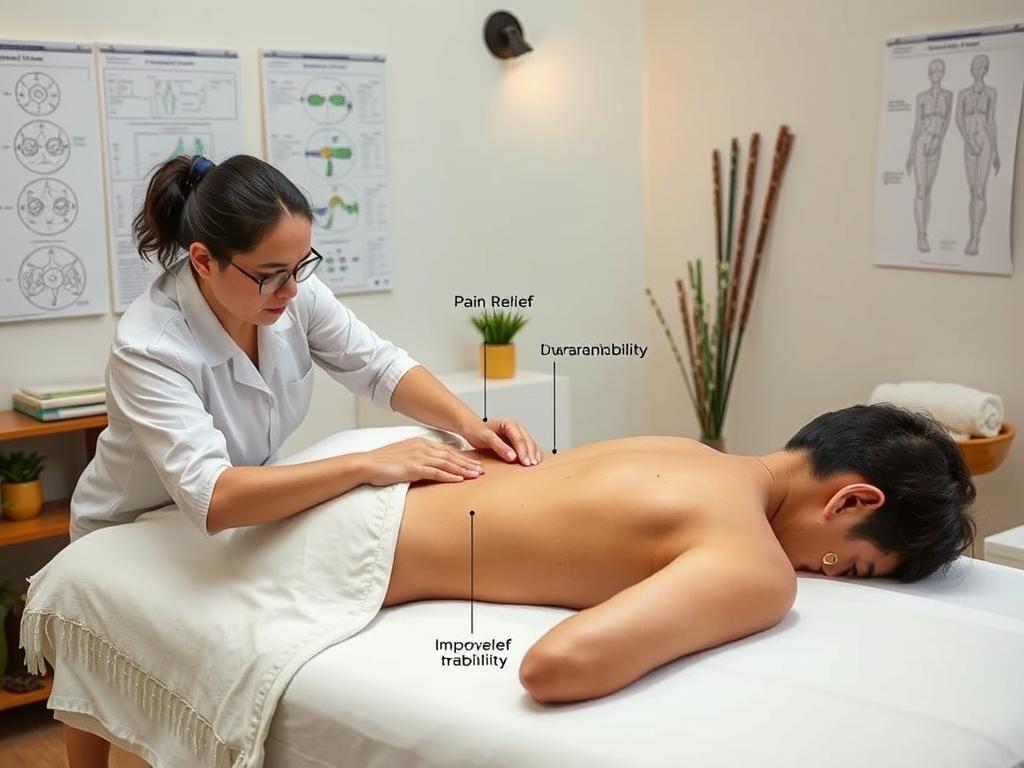
Abhyangam therapy addresses numerous physical and mental health conditions
Physical Conditions
- Vata Disorders: Arthritis, joint pain, dry skin, constipation, nervous system disorders
- Muscle Tension: Chronic muscle stiffness, spasms, and pain
- Circulatory Issues: Poor peripheral circulation, cold extremities
- Respiratory Conditions: Congestion, asthma (when combined with appropriate herbs)
- Digestive Disorders: Irregular digestion, bloating, gas
- Skin Conditions: Dryness, premature aging, certain types of dermatitis
- Fatigue Syndromes: Chronic fatigue, post-illness weakness
Mental and Neurological Conditions
- Stress-Related Disorders: Anxiety, tension headaches, insomnia
- Nervous System Imbalances: Nervousness, tremors, certain types of neuropathy
- Mental Fatigue: Burnout, poor concentration, mental fog
- Sleep Disorders: Insomnia, restless sleep, irregular sleep patterns
- Mood Disorders: Mild to moderate depression, mood swings
- Sensory Overstimulation: Hypersensitivity to environmental stimuli
- Attention Issues: Difficulty focusing, mental restlessness
Note: While Abhyangam can be beneficial for many conditions, it should be used as a complementary therapy alongside appropriate medical care. Always consult with a healthcare provider before using Abhyangam to address specific health concerns, especially for serious or chronic conditions.
Frequency and Timing Recommendations
In traditional Ayurveda, the frequency and timing of Abhyangam are considered crucial factors that influence its effectiveness. The recommendations vary based on individual constitution, current health status, season, and specific therapeutic goals.
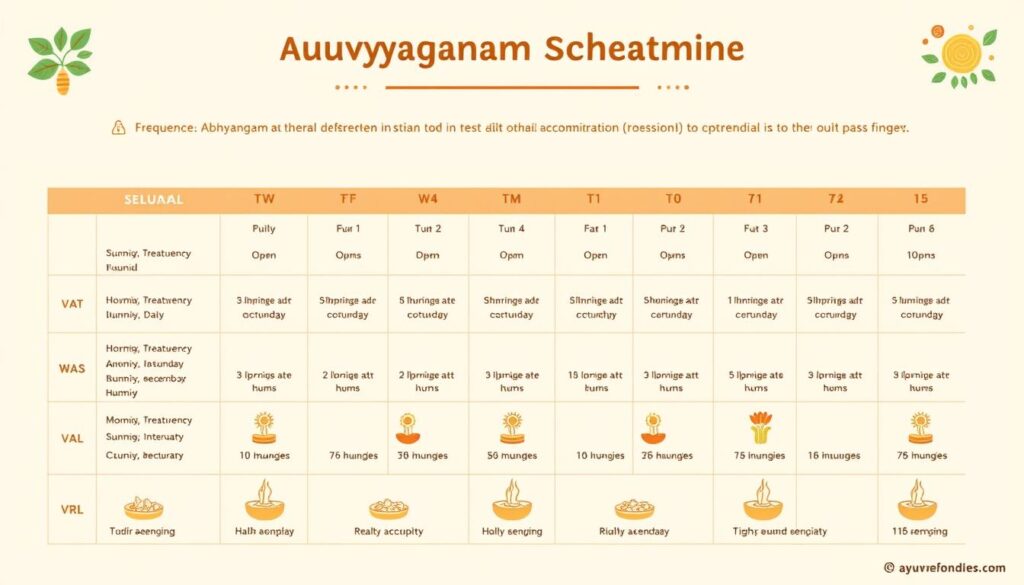
Optimal scheduling of Abhyangam varies by dosha and season
Ideal Frequency
| Constitution (Dosha) | Recommended Frequency | Best Time of Day | Seasonal Adjustments |
| Vata Dominant | Daily (ideally) | Early morning before bathing | Increase during autumn and winter |
| Pitta Dominant | 3-4 times per week | Early morning or evening | Increase during summer with cooling oils |
| Kapha Dominant | 1-2 times per week | Morning (after sunrise) | Increase during winter and spring |
| Therapeutic Use | As prescribed (typically 7-21 day courses) | Depends on condition | Adjusted based on specific health needs |
Special Timing Considerations
- Morning Practice: Traditionally performed in the morning before bathing to strengthen the body for the day ahead
- Evening Option: Can be done in the evening to promote relaxation and better sleep (especially for Vata types)
- Before Exercise: Light Abhyangam before yoga or exercise helps prepare muscles and joints
- Seasonal Adjustments: More frequent during dry, cold seasons; less during hot, humid periods
- Moon Cycles: Traditional texts recommend avoiding full-body oil massage during full moon days
For those new to Abhyangam, starting with a weekly practice and gradually increasing frequency based on your body’s response is recommended. Even a brief 10-15 minute self-massage a few times per week can provide significant benefits.
Precautions and Contraindications
While Abhyangam is generally safe and beneficial, there are certain situations where it should be avoided or modified. Understanding these contraindications ensures the practice remains safe and effective.
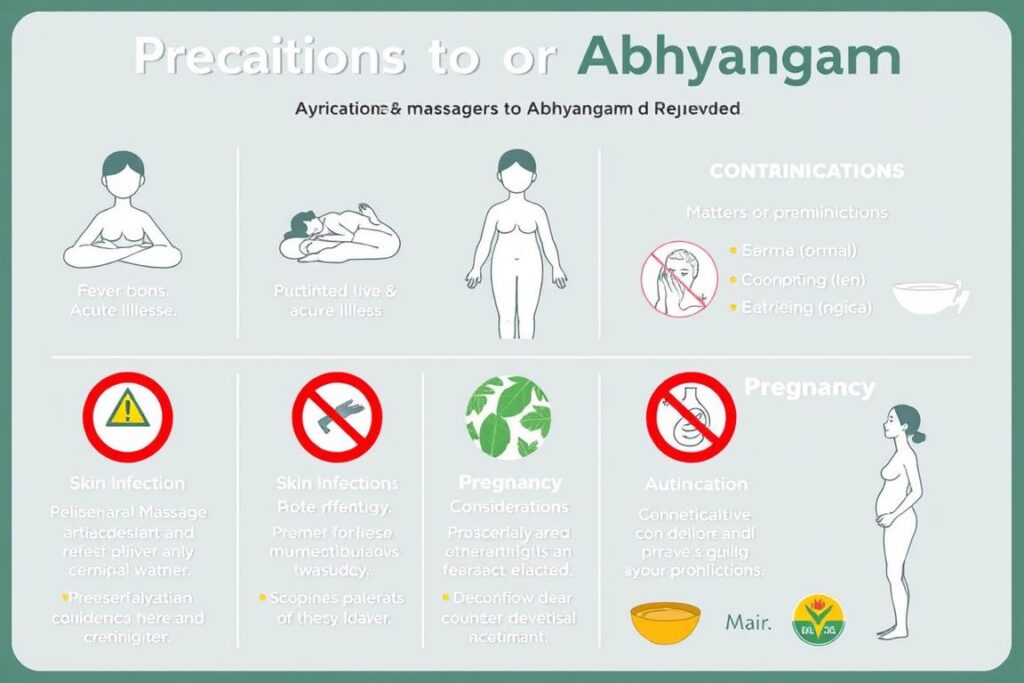
Important safety considerations for Abhyangam therapy
When Abhyangam Is Beneficial
- General health maintenance and prevention
- Dry skin and premature aging
- Stress, anxiety, and insomnia
- Muscle tension and minor joint pain
- Fatigue and low energy
- Poor circulation
- Vata imbalances
- Preparation for seasonal changes
When to Avoid Abhyangam
- Acute fever or infection
- Severe inflammation
- Open wounds or skin infections
- Immediately after eating
- Acute indigestion
- First day of menstruation
- First trimester of pregnancy (without expert guidance)
- Severe Kapha imbalance with congestion
Special Considerations
- Pregnancy: Avoid abdominal massage during pregnancy; other areas may be massaged with appropriate modifications and expert guidance
- Diabetes: People with diabetes should use gentler pressure and monitor skin condition carefully
- Heart Conditions: Those with cardiac issues should consult their physician before beginning regular Abhyangam
- Cancer: Individuals undergoing cancer treatment should consult their oncologist regarding massage therapy
- Varicose Veins: Avoid direct pressure on varicose veins; use lighter touch in affected areas
- Recent Surgery: Wait until fully healed before resuming Abhyangam
- Medications: Some medications may affect how the body responds to oils and massage
Important: If you have any medical conditions or are taking medications, consult with a healthcare provider before beginning Abhyangam. This is especially important if you have skin conditions, circulatory issues, or are pregnant.
Finding Qualified Abhyangam Practitioners
The effectiveness of Abhyangam largely depends on the skill and knowledge of the practitioner. Finding a qualified therapist ensures you receive authentic treatment with proper techniques and appropriate oils for your constitution.
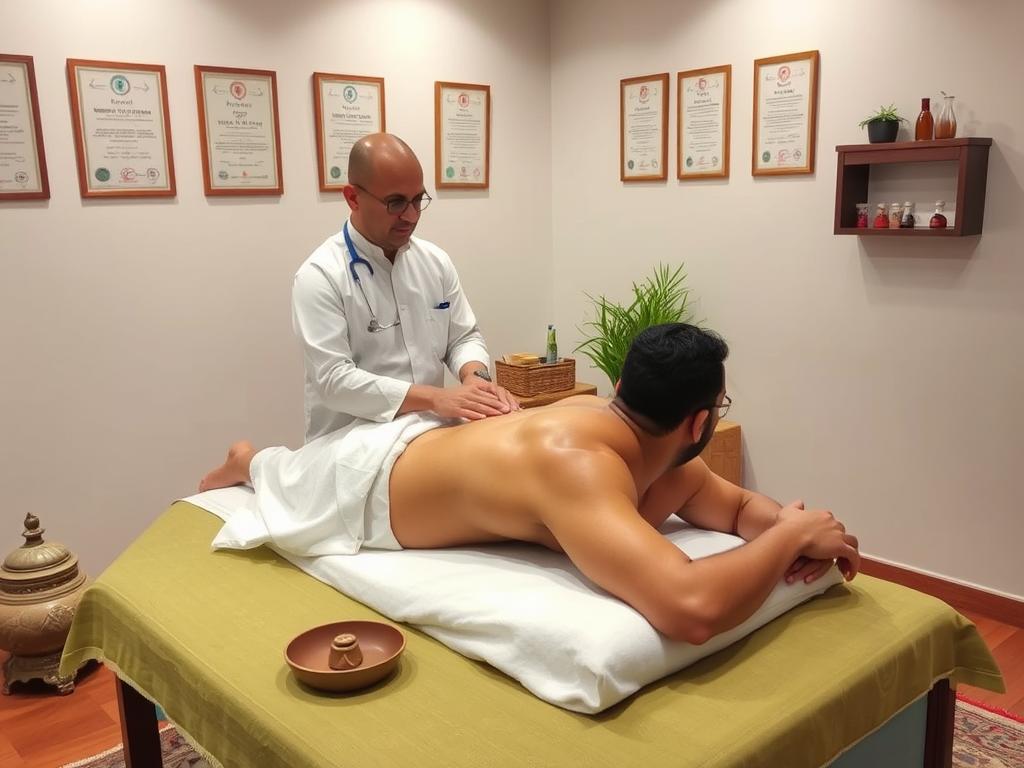
A certified Ayurvedic therapist performing traditional Abhyangam
What to Look for in a Qualified Practitioner
- Proper Training: Look for therapists with formal education in Ayurvedic medicine from recognized institutions
- Certification: Check for certification from reputable Ayurvedic associations or boards
- Experience: Practitioners with several years of experience typically provide better treatment
- Specialization: Some therapists specialize in specific types of Ayurvedic massage or particular health conditions
- Consultation Process: Quality practitioners will conduct a thorough initial consultation to understand your constitution and specific needs
- Facility Standards: The treatment space should be clean, comfortable, and equipped with proper materials
- Oil Knowledge: They should be knowledgeable about different oils and their properties for various constitutions
Where to Find Practitioners
- Ayurvedic Clinics and Centers: Dedicated Ayurvedic wellness centers often offer authentic Abhyangam
- Integrative Health Centers: Many integrative medicine facilities now include Ayurvedic therapies
- Ayurvedic Schools: Teaching clinics at Ayurvedic educational institutions often provide services at reduced rates
- Wellness Retreats: Many wellness retreats and spas now offer authentic Ayurvedic treatments
- Professional Directories: Organizations like NAMA (National Ayurvedic Medical Association) maintain directories of certified practitioners
Ready to Experience Authentic Abhyangam?
Connect with certified Ayurvedic practitioners in your area who specialize in traditional Abhyangam therapy.
DIY Abhyangam: Self-Massage Techniques
While receiving Abhyangam from a trained therapist provides the most complete experience, self-massage (sva-abhyanga) is highly encouraged in Ayurveda as a daily practice. Learning proper self-massage techniques allows you to incorporate this healing ritual into your regular wellness routine.
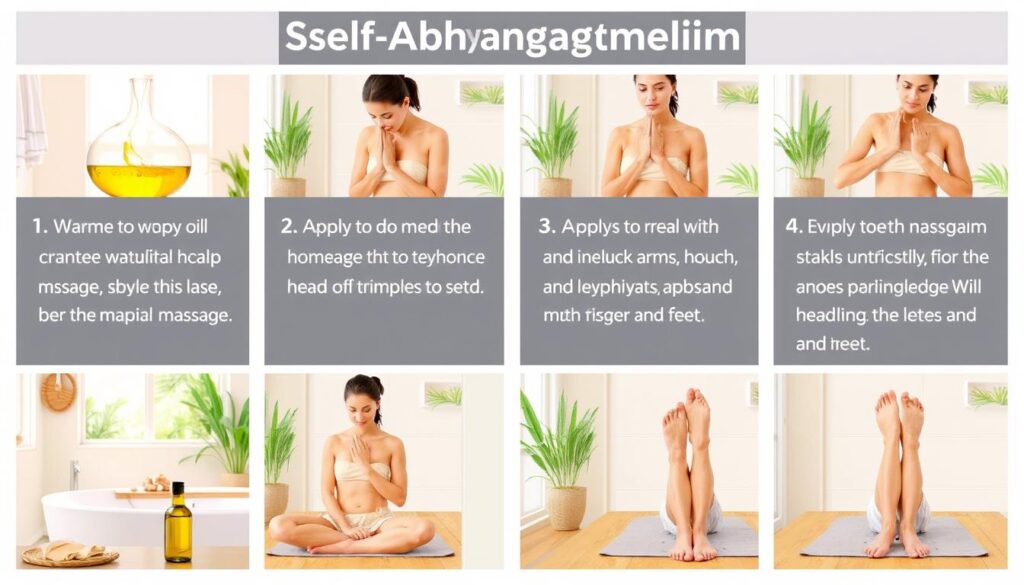
Self-Abhyangam can be performed at home as part of your daily wellness routine
Essential Supplies for Self-Abhyangam
- Appropriate Oil: Select based on your dosha (see oils section above)
- Oil Warmer: A small bottle warmer or bowl of hot water to warm the oil
- Towels: Old towels to protect surfaces and for drying after bathing
- Non-slip Mat: For safety during the massage
- Shower Cap: Optional for head massage to keep oil in place
- Gentle Cleanser: For removing oil after the massage
Step-by-Step Self-Abhyangam Technique
- Prepare the Space: Create a warm, draft-free environment. Place towels on the floor or massage area.
- Warm the Oil: Heat approximately 1/4 cup of oil to a comfortable temperature (not too hot).
- Begin with the Head: Apply oil to the crown of your head and massage in circular motions, working outward to cover the entire scalp.
- Face and Ears: Gently massage your face with upward strokes. Pay special attention to the ears, which contain many marma points.
- Neck and Shoulders: Use both hands to massage the neck and shoulders with firm pressure to release tension.
- Arms and Hands: Use long strokes on the arms and circular motions on the joints. Massage each finger individually.
- Chest and Abdomen: Use a clockwise circular motion on the abdomen to follow the direction of digestion.
- Back: Reach around to massage your back as best you can, focusing on the lower back.
- Legs and Feet: Use long strokes on the legs and circular motions on the knees and ankles. Pay special attention to the soles of the feet.
- Rest Period: After applying oil to the entire body, rest for 10-15 minutes to allow the oil to penetrate.
- Warm Bath or Shower: Remove excess oil with a warm (not hot) bath or shower, using minimal soap.
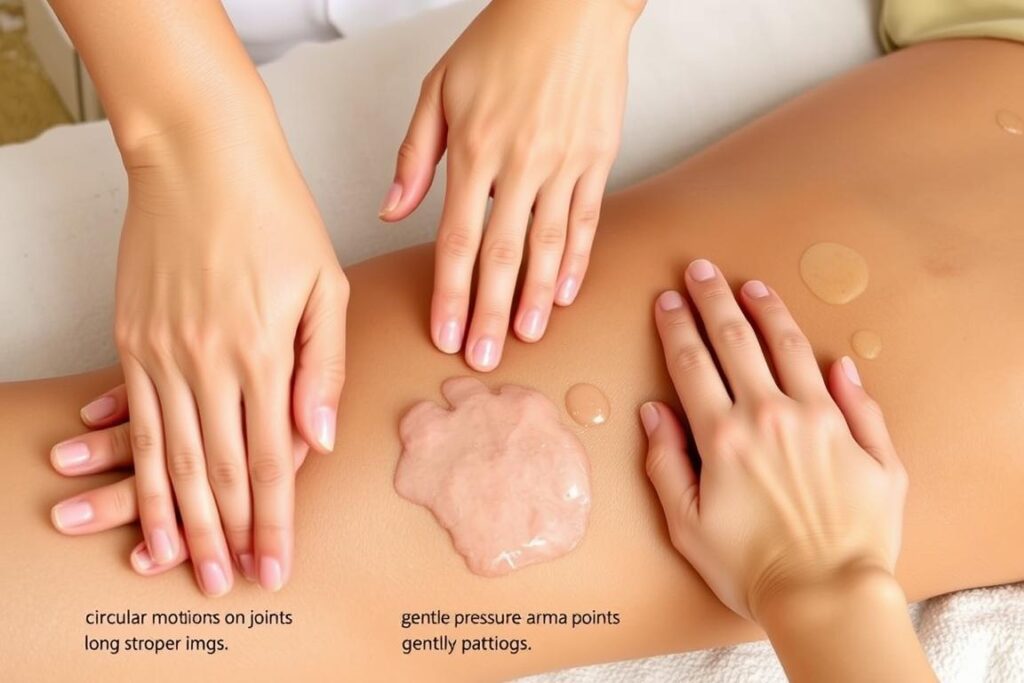
Different massage strokes used in Abhyangam for various body parts
Tips for Effective Self-Abhyangam
- Consistency is Key: Even a brief daily practice is more beneficial than occasional longer sessions
- Focus on Sensitive Areas: Pay special attention to joints, extremities, and areas of tension
- Mindful Practice: Maintain awareness and loving intention throughout the massage
- Adapt for Time: On busy days, a 5-10 minute abbreviated version focusing on head, hands, and feet is still beneficial
- Seasonal Adjustments: Use more oil in dry seasons, less in humid conditions
- Breathe Deeply: Coordinate your breath with the massage strokes for enhanced relaxation
Embracing Abhyangam in Modern Life
In our fast-paced world where touch has become increasingly digitized, the ancient practice of Abhyangam offers a profound return to the healing power of human contact and natural remedies. This time-honored Ayurvedic treatment provides not just physical benefits but serves as a gateway to deeper self-awareness and holistic wellness.
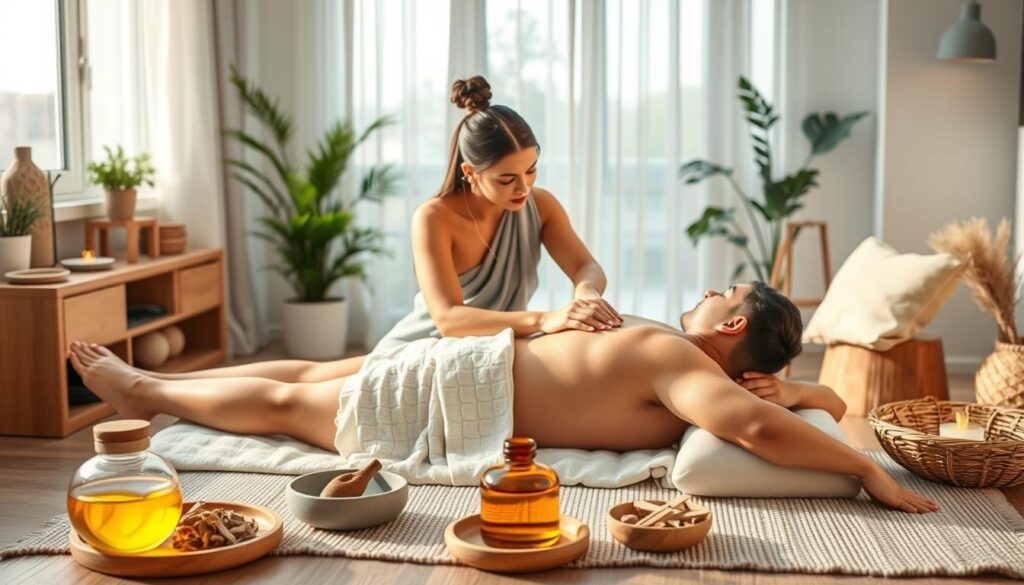
Integrating traditional Abhyangam into modern wellness routines
Whether you choose to receive Abhyangam from a skilled practitioner or incorporate self-massage into your daily routine, this practice offers a precious opportunity to nurture yourself on multiple levels. The simple act of applying warm oil with mindful attention creates a sacred space for healing and rejuvenation in our otherwise hectic lives.
As you explore Abhyangam, remember that consistency matters more than perfection. Even a brief daily practice can yield significant benefits over time. Listen to your body, adjust the oils and techniques to suit your unique constitution, and allow this ancient wisdom to guide you toward greater balance and vitality.
Begin Your Abhyangam Journey Today
Experience the transformative effects of this ancient Ayurvedic therapy with professional guidance.
Frequently Asked Questions About Abhyangam
How is Abhyangam different from regular massage?
Abhyangam differs from conventional massage in several key ways. It uses specific warm herbal oils chosen for your body constitution (dosha), follows precise movements that work with the body’s energy channels (nadis) and pressure points (marmas), and is performed with a holistic approach that considers physical, mental, and spiritual aspects. While Western massage primarily focuses on muscles and relaxation, Abhyangam aims to balance the body’s energies and promote overall wellness according to Ayurvedic principles.
How long does it take to see benefits from Abhyangam?
Some benefits like relaxation, improved skin texture, and better sleep may be noticeable after just one session. However, for deeper therapeutic effects such as improved circulation, reduced joint pain, or balanced doshas, regular practice over 2-4 weeks is typically recommended. For chronic conditions, a consistent practice of 3-6 months may be necessary to experience significant improvement. The effects are cumulative, with regular practice yielding more profound and lasting results.
Can I eat before or after Abhyangam?
It’s best to avoid heavy meals for at least 2 hours before Abhyangam. After the treatment, wait approximately 30-60 minutes before eating, and choose lighter, easily digestible foods. This allows your body to process the effects of the massage without diverting energy to digestion. Staying hydrated before and after treatment is recommended, but avoid very cold beverages which can counteract the warming benefits of the massage.
Is Abhyangam safe during pregnancy?
Abhyangam requires modification during pregnancy and should only be performed by practitioners experienced in prenatal care. Generally, it’s advised to avoid Abhyangam during the first trimester. In later stages, gentle massage avoiding the abdomen and certain pressure points can be beneficial with proper guidance. Always consult with your healthcare provider and work with an Ayurvedic practitioner who specializes in prenatal care before receiving Abhyangam during pregnancy.
How do I know which oil is right for my constitution?
The best oil for you depends on your dominant dosha (Vata, Pitta, or Kapha) and any current imbalances. Generally, Vata types benefit from warming oils like sesame, Pitta types from cooling oils like coconut, and Kapha types from light oils like safflower. For the most accurate recommendation, consult with an Ayurvedic practitioner who can assess your constitution and current state of balance. Seasonal changes and specific health concerns may also influence the ideal oil choice.